

Blogs
Read Our Blogs For Guidance
News & Blogs
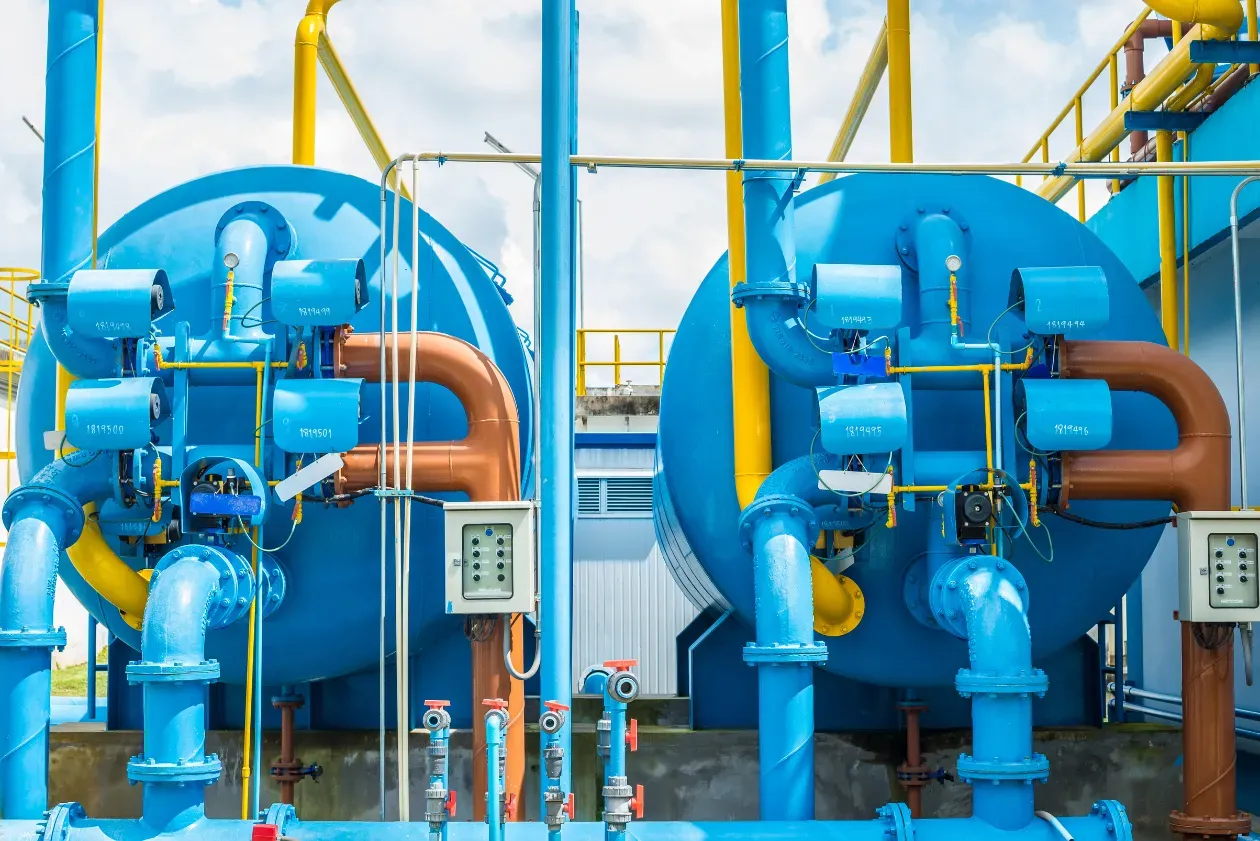
Access to clean and safe water is a fundamental necessity for any business. Whether it’s for drinking, cooking, manufacturing, or sanitation, water quality directly impacts employee health, operational efficiency, and overall workplace safety. Contaminated water can lead to health risks, equipment damage, and even legal liabilities. Investing in a reliable water filtration system is not just a precaution—it’s a necessity for businesses committed to maintaining a healthy and productive environment. This blog explores the significance of water filtration in commercial settings, the different types of filtration systems available, and the best practices for ensuring water purity in the workplace. The Importance of Clean Water in the Workplace Water is used in nearly every aspect of business operations, making its quality a top priority. In office environments, employees need access to safe drinking water to stay hydrated and maintain focus. Restaurants, cafes, and food service businesses rely on clean water for cooking, cleaning, and beverage preparation, directly affecting food safety and customer satisfaction. Industrial and manufacturing facilities depend on high-quality water to prevent machinery corrosion, maintain product consistency, and comply with industry regulations. Healthcare facilities, including hospitals and dental clinics, require sterile water for patient care, laboratory testing, and sanitation to prevent infections. Poor water quality can have severe consequences, including: Health risks – Contaminants like bacteria, lead, and chemicals can cause illnesses. Equipment damage – Sediment and hard water can clog pipes and damage machinery. Legal and financial repercussions – Non-compliance with water safety regulations can result in fines or lawsuits. Investing in a reliable water filtration system ensures a safe, healthy, and efficient workplace while safeguarding a company’s reputation. Common Water Contaminants in Commercial Settings Water quality varies depending on the source—whether it’s municipal water, well water, or recycled water in industrial processes. Identifying potential contaminants is the first step in selecting the right filtration system. Some of the most common impurities found in commercial water supplies include: Microbial Contaminants: Bacteria, viruses, and parasites can enter water supplies through leaks, poor sanitation, or environmental contamination. These pathogens pose immediate health risks, leading to gastrointestinal illnesses and other infections. Chemical Pollutants: Industrial runoff, agricultural pesticides, and disinfection byproducts like chlorine and chloramine can linger in water. Heavy metals such as lead, arsenic, and mercury—often from old plumbing systems—can accumulate over time, causing long-term health problems. Sediments and Particulates: Sand, rust, and dirt can enter water through aging pipes or environmental factors. These particles affect water clarity, clog filtration systems, and damage appliances. Hard Water Minerals: Calcium and magnesium cause scale buildup in pipes, water heaters, and industrial machinery, reducing efficiency and increasing maintenance costs. Understanding these contaminants helps businesses choose the most effective filtration solution for their specific needs. Types of Water Filtration Systems for Businesses Different industries require different filtration approaches based on water quality and usage. Here are the most common commercial water filtration systems: Activated Carbon Filters These filters remove chlorine, volatile organic compounds (VOCs), and unpleasant odors, making them ideal for offices, restaurants, and hotels. They improve water taste and are often used in point-of-use systems like water coolers and under-sink filters. Reverse Osmosis (RO) Systems RO systems use a semi-permeable membrane to eliminate dissolved solids, heavy metals, and microorganisms. They are highly effective for food processing, pharmaceutical labs, and healthcare facilities that require ultra-pure water. Ultraviolet (UV) Purification UV systems disinfect water by killing bacteria and viruses without chemicals, making them perfect for hospitals, breweries, and other facilities that need sterile water. Water Softeners These systems remove calcium and magnesium ions, preventing scale buildup in boilers, dishwashers, and industrial equipment. They are essential for manufacturing plants, laundromats, and hospitality businesses. Sediment Filters Designed to trap sand, rust, and debris, sediment filters protect plumbing and appliances from damage. They are often used as pre-filters in larger filtration systems. Choosing the right system depends on water testing, industry requirements, and budget considerations. Benefits of Installing a Water Filtration System Investing in a water filtration system offers numerous advantages for businesses. Improved water quality enhances employee health and reduces sick days caused by waterborne illnesses. Clean water also improves the taste of beverages in cafeterias and restaurants, enhancing customer satisfaction. For manufacturing and industrial businesses, filtered water prevents equipment corrosion and scaling, extending machinery lifespan and reducing repair costs. Additionally, businesses can demonstrate corporate responsibility by reducing plastic waste from bottled water, contributing to sustainability goals. Compliance with health regulations also avoids fines and legal complications. Maintaining Your Business Water Filtration System Regular maintenance is crucial to ensure the efficiency and longevity of a water filtration system. Filters need periodic replacement to prevent clogging and maintain optimal performance. Sediment pre-filters should be checked monthly, while carbon and reverse osmosis membranes may require replacement every few months to a year. Professional water testing helps monitor contaminant levels and system effectiveness. Scheduled inspections by certified technicians can identify potential issues before they escalate. Proper maintenance guarantees clean water and maximizes the return on investment for the filtration system. Choosing the Right Water Filtration Provider Selecting a reputable water filtration provider is essential for quality installation and service. Businesses should look for providers with industry certifications, positive customer reviews, and experience in commercial water treatment. Customized solutions tailored to specific water challenges ensure better results than generic systems. A reliable provider offers ongoing support, including maintenance plans, emergency repairs, and water quality testing. Transparent pricing and warranties add value, ensuring businesses get the best solution without hidden costs. Researching and comparing providers helps in making an informed decision. Conclusion Water filtration is a critical investment for businesses that prioritize health, safety, and operational efficiency. Clean water supports employee well-being, enhances customer experiences, and protects equipment from damage. By understanding water quality challenges and choosing the right filtration system, businesses can ensure a safe and productive workplace. At HomePRO Water Solutions, we provide commercial water filtration services tailored to your business needs. Our certified technicians install, maintain, and optimize water filtration systems for offices, restaurants, healthcare facilities, and industrial operations. Contact Us Today!
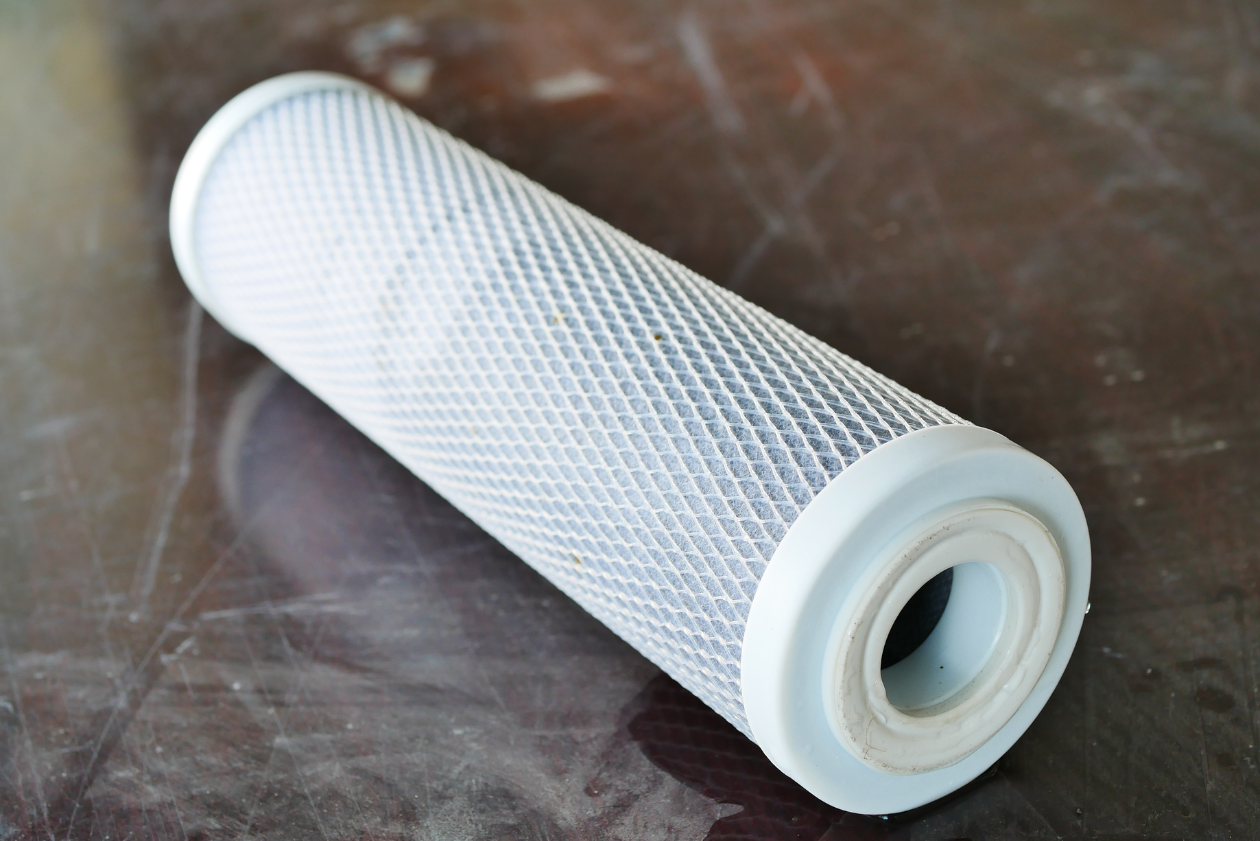
Water quality is a growing concern for homeowners across the country. Whether you’re dealing with stubborn scale buildup on your fixtures or worrying about contaminants in your drinking water, understanding your treatment options is crucial. Two of the most popular solutions – reverse osmosis systems and water softeners – serve very different purposes despite both improving water quality. This comprehensive guide will walk you through everything you need to know about these systems. We’ll explore how each technology works, what problems they solve, and how to determine which solution (or combination) is right for your household. By the end, you’ll be equipped with the knowledge to make an informed decision about your home’s water treatment needs. Understanding Hard Water: The Root of Many Problems Before comparing systems, it’s important to understand the issue of hard water. Groundwater naturally absorbs minerals like calcium and magnesium as it moves through rock formations. While not harmful to health, these minerals cause numerous household headaches. You might have hard water if you notice white scale buildup on faucets and showerheads, spots on dishes after washing, or if your soap doesn’t lather well. Over time, hard water can damage plumbing systems and appliances by accumulating mineral deposits that reduce water flow and efficiency. Water heaters, in particular, suffer from reduced lifespan when operating with hard water. Water Softeners: Specialists in Mineral Removal Water softeners are whole-house systems designed specifically to address hard water problems. They use a process called ion exchange to remove calcium and magnesium ions from your water supply. Here’s how it works: The system contains resin beads loaded with sodium or potassium ions. As hard water flows through, magnesium and calcium ions are significantly swapped for sodium ions, softening the water by removing hardness minerals. Periodically, the system regenerates by flushing the resin beads with a brine solution to recharge them with sodium ions and wash away the accumulated hardness minerals. This maintenance cycle ensures continuous soft water throughout your home. The benefits of softened water are immediately noticeable. You’ll use less soap and detergent, enjoy spot-free dishes and glassware, and notice your skin and hair feel softer after bathing. Perhaps most importantly, your appliances and plumbing will be protected from damaging scale buildup. Reverse Osmosis: Comprehensive Contaminant Removal While water softeners specialize in mineral removal, reverse osmosis (RO) systems take a completely different approach to water treatment. These systems are designed to remove a wide range of contaminants from your drinking water through an advanced filtration process. At the heart of an RO system is a semi-permeable membrane with incredibly tiny pores – so small that only water molecules can pass through. The system uses water pressure to force tap water through this membrane, leaving contaminants behind. A typical RO system includes multiple stages of filtration: First, a sediment filter removes dirt, rust, and other particles. Then, activated carbon filters reduce chlorine, chemicals, and unpleasant tastes and odors. Finally, the RO membrane removes dissolved solids, heavy metals, and other microscopic contaminants. Some systems include additional polishing filters for even purer water. The result is exceptionally clean, great-tasting water that is perfect for drinking and cooking. RO systems are particularly valuable for homes with concerns about lead, arsenic, fluoride, or other potentially harmful substances in their water supply. Key Differences Between the Two Systems Understanding the distinct roles of these systems is crucial for making the right choice for your home. Here are the fundamental differences: Water softeners are whole-house systems that specifically address water hardness. They don’t purify water or remove contaminants – they simply exchange hardness minerals for sodium or potassium ions. The softened water flows to every tap in your home, protecting your plumbing and improving cleaning efficiency. Reverse osmosis systems, in contrast, are typically point-of-use installations (usually under the kitchen sink) that provide purified water for drinking and cooking. They don’t soften water or protect plumbing from scale, but they do remove a wide array of contaminants that softeners don’t address. Another significant difference is in maintenance requirements. Water softeners need regular salt refills and occasional resin bed cleaning. RO systems require periodic filter changes (usually every 6-12 months) and membrane replacement every 2-3 years. When to Choose a Water Softener A water softener is the clear choice when your primary concern is hard water. Signs you need a softener include: Visible scale buildup on fixtures and appliances Difficulty getting soap to lather Stiff, scratchy laundry after washing Dry skin and hair after showering Reduced water pressure from mineral-clogged pipes Frequent appliance repairs or shortened lifespans If these issues sound familiar, a water softener will dramatically improve your water quality and protect your home’s plumbing infrastructure. When to Choose Reverse Osmosis An RO system makes sense when you’re concerned about water purity for drinking and cooking. Consider RO if: Your water has an unpleasant taste or odor You’re concerned about specific contaminants (lead, arsenic, etc.) You currently buy bottled water for drinking Your water tests show high TDS (total dissolved solids) You want the purest possible water for cooking Cost Comparison Initial costs for both systems are comparable, with quality units ranging in price. Water softeners typically require professional installation due to the need for plumbing modifications. RO systems are often easier to install, with many homeowners opting for DIY installation. Operating costs differ significantly. Water softeners consume salt and water during regeneration cycles, while RO systems waste some water during the filtration process (though modern systems are becoming more efficient). Environmental Impact Both systems have environmental considerations. Water softeners discharge salt brine into wastewater systems, which can be problematic in some areas. Some municipalities have restrictions on softener use for this reason. RO systems waste some water during filtration – typically 3-4 gallons for every gallon purified. However, newer models are reducing this ratio significantly. If environmental impact is a primary concern, look for high-efficiency models of both systems and consider alternative technologies like salt-free conditioners. Making Your Decision To determine which system (or combination) is right for you: First, identify your water quality issues- A simple water test can reveal hardness levels and detect common contaminants. Many local health departments offer testing services, or you can purchase a home test kit. Consider your priorities- If appliance protection and cleaning efficiency are top concerns, focus on a softener. If water purity for drinking is paramount, prioritize an RO system. For comprehensive water treatment, many experts recommend starting with a whole-house softener (if you have hard water) and adding an RO system at the kitchen sink for drinking water purification. Conclusion Reverse osmosis systems and water softeners serve distinct but equally valuable roles in water treatment. While softeners specialize in solving hard water problems throughout your home, RO systems excel at providing ultra-pure drinking water at a single tap. The right choice depends entirely on your water quality issues and household needs. At HomePRO Water Solutions, our certified technicians install both systems with precision and care, ensuring your home receives the perfect water treatment solution. We begin with comprehensive water testing to identify your specific challenges, then recommend a customized approach – whether that’s a whole-house softener, an under-sink RO system, or the ideal combination of both. Contact Us Today!
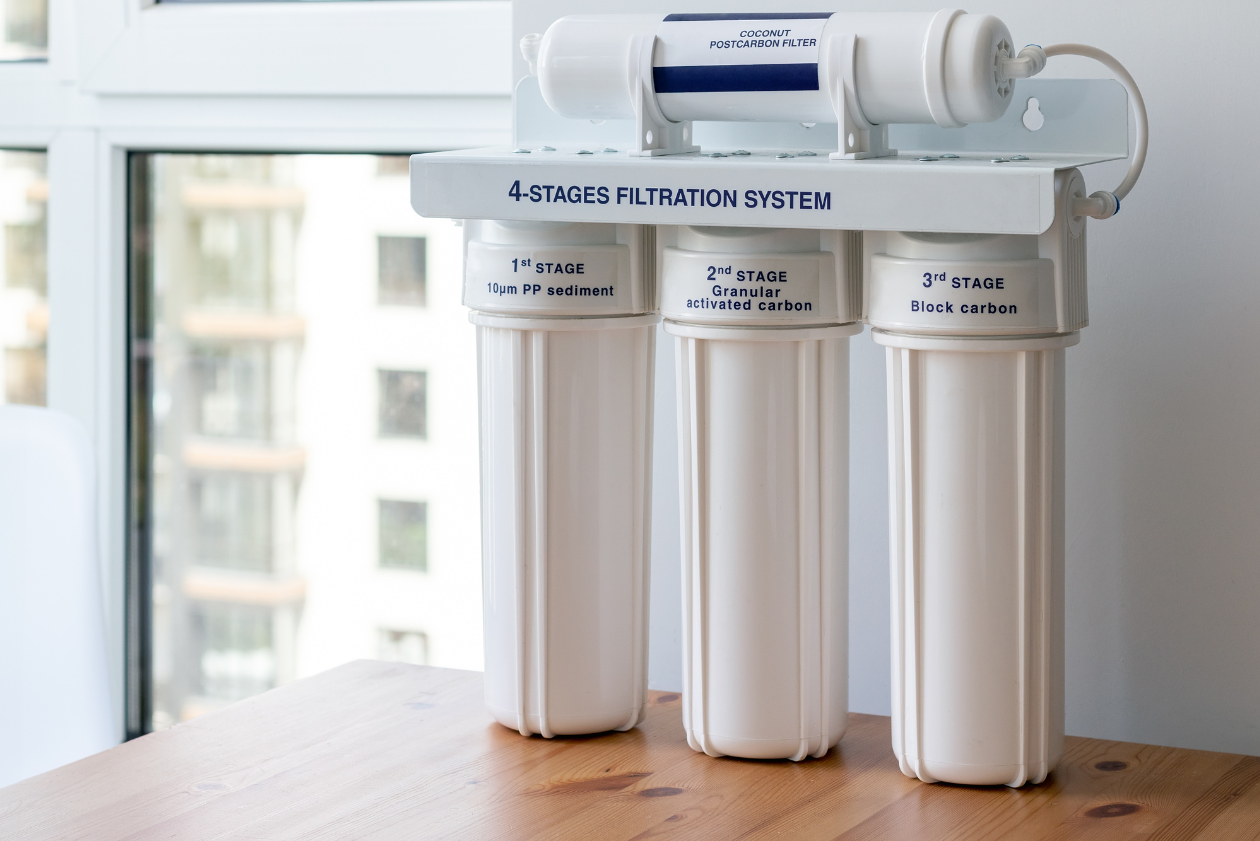
Clean, safe drinking water is essential for health and well-being. Yet, many households in your locality rely on tap water that may contain contaminants, chemicals, and impurities. Installing a home water filtration system is an effective way to ensure that the water you consume is pure, healthy, and free from harmful substances. In this blog, we’ll explore the top advantages of having a water filtration system at home, including health benefits, cost savings, environmental impact, and more. By the end, you’ll understand why investing in a filtration system is a smart choice for your household. Improved Health and Safety One of the most significant benefits of a home water filtration system is the improvement in health and safety. Municipal water treatment plants do their best to eliminate harmful substances, but some contaminants can still slip through. Chlorine, lead, mercury, and even pharmaceutical residues may be present in tap water, posing long-term health risks. A high-quality filtration system removes these impurities, reducing the risk of gastrointestinal illnesses, reproductive issues, and chronic diseases. By ensuring that your family consumes clean water, you’re investing in their long-term well-being. Better-tasting and Odor-Free Water Have you ever noticed a strange taste or smell in your tap water? Chlorine, sulfur, and other chemicals are often responsible for these unpleasant characteristics. A water filtration system eliminates these elements, providing crisp, fresh-tasting water that’s far more enjoyable to drink. This can also enhance the flavor of beverages like coffee and tea, as well as improve the taste of cooked meals. When water is free from odd odors and aftertastes, you and your family are more likely to stay hydrated throughout the day. Cost Savings Compared to Bottled Water Many people turn to bottled water as an alternative to tap water, but this habit can be expensive and environmentally damaging. Over time, the cost of purchasing bottled water adds up significantly. A home filtration system, on the other hand, provides an endless supply of purified water at a fraction of the cost. While the initial investment may seem high, the long-term savings are substantial. Additionally, you won’t have to deal with the hassle of storing and disposing of plastic bottles, making it a more convenient and economical choice. Environmental Benefits Plastic pollution is a growing global crisis, with millions of water bottles ending up in landfills and oceans each year. By switching to a home filtration system, you drastically reduce your reliance on single-use plastics, helping to minimize your carbon footprint. Unlike bottled water, which requires energy-intensive production and transportation, filtered tap water is a sustainable solution. Choosing a filtration system is a simple yet powerful way to contribute to environmental conservation while enjoying clean, safe water every day. Protection Against Harmful Contaminants Even if your tap water meets regulatory standards, it may still contain trace amounts of harmful substances. Lead from old pipes, pesticides from agricultural runoff, and bacteria from aging infrastructure can all find their way into your water supply. A reliable filtration system acts as a final line of defense, removing these contaminants before they reach your glass. Some advanced systems can even filter out microscopic pathogens, ensuring that your water is as pure as possible. This added layer of protection is especially important for households with young children, elderly members, or individuals with compromised immune systems. Extended Appliance Lifespan Hard water coming into your home, which contains high levels of minerals like magnesium and calcium, can cause scale buildup in pipes, water heaters, and household appliances. Over time, this buildup reduces efficiency and can lead to costly repairs or replacements. A water filtration system that includes a water softener can prevent mineral deposits, extending the lifespan of your appliances. Dishwashers, washing machines, and coffee makers will perform better and last longer when supplied with filtered softened water. This not only saves money but also reduces the need for frequent maintenance. Convenience and Accessibility With a home water filtration system, clean water is always just a tap turn away. There’s no need to wait for deliveries of bottled water or make repeated trips to the store. Whole-house systems provide filtered water at every faucet, while under-sink or countertop models offer instant access in the kitchen. This convenience is especially valuable in emergencies, such as boil-water advisories or supply disruptions. Having a dependable source of purified water ensures that your household remains prepared for any situation. Enhanced Skin and Hair Health Showering and bathing in unfiltered water can have negative effects on your skin and hair. Chlorine and other chemicals strip away natural oils, leading to dryness, irritation, and increased susceptibility to conditions like eczema. Hard water can also leave hair brittle and dull. A whole-house filtration system removes these harsh elements, resulting in softer skin and shinier, healthier hair. For individuals with sensitive skin or existing dermatological concerns, filtered water can make a noticeable difference in comfort and appearance. Increased Property Value Investing in a home water filtration system can also enhance your property’s value. Potential buyers are increasingly concerned about water quality and sustainability, making a filtration system an attractive feature. Whether it’s a simple under-sink filter or a comprehensive whole-house system, this upgrade can set your home apart in the real estate market. Additionally, the long-term savings and health benefits associated with filtered water make it a compelling selling point for eco-conscious buyers. Conclusion Installing a home water filtration system is a smart decision that offers numerous advantages, from better health and taste to cost savings and environmental protection. With contaminants becoming an increasing concern in water supplies, having a reliable filtration system ensures that your household enjoys clean, safe water at all times. At HomePRO Water Solutions, we install a home water filtration system. Our certified technicians assess your water quality, recommend the best filtration options, and provide professional installation to ensure optimal performance. Contact Us Today!