

Water Filtration for Businesses: Ensuring Safe and Clean Water in the Workplace
Access to clean and safe water is a fundamental necessity for any business. Whether it’s for drinking, cooking, manufacturing, or sanitation, water quality directly impacts employee health, operational efficiency, and overall workplace safety. Contaminated water can lead to health risks, equipment damage, and even legal liabilities.
Investing in a reliable water filtration system is not just a precaution—it’s a necessity for businesses committed to maintaining a healthy and productive environment. This blog explores the significance of water filtration in commercial settings, the different types of filtration systems available, and the best practices for ensuring water purity in the workplace.
The Importance of Clean Water in the Workplace
Water is used in nearly every aspect of business operations, making its quality a top priority. In office environments, employees need access to safe drinking water to stay hydrated and maintain focus. Restaurants, cafes, and food service businesses rely on clean water for cooking, cleaning, and beverage preparation, directly affecting food safety and customer satisfaction.
Industrial and manufacturing facilities depend on high-quality water to prevent machinery corrosion, maintain product consistency, and comply with industry regulations. Healthcare facilities, including hospitals and dental clinics, require sterile water for patient care, laboratory testing, and sanitation to prevent infections.
Poor water quality can have severe consequences, including:
- Health risks – Contaminants like bacteria, lead, and chemicals can cause illnesses.
- Equipment damage – Sediment and hard water can clog pipes and damage machinery.
- Legal and financial repercussions – Non-compliance with water safety regulations can result in fines or lawsuits.
Investing in a reliable water filtration system ensures a safe, healthy, and efficient workplace while safeguarding a company’s reputation.
Common Water Contaminants in Commercial Settings
Water quality varies depending on the source—whether it’s municipal water, well water, or recycled water in industrial processes. Identifying potential contaminants is the first step in selecting the right filtration system. Some of the most common impurities found in commercial water supplies include:
- Microbial Contaminants: Bacteria, viruses, and parasites can enter water supplies through leaks, poor sanitation, or environmental contamination. These pathogens pose immediate health risks, leading to gastrointestinal illnesses and other infections.
- Chemical Pollutants: Industrial runoff, agricultural pesticides, and disinfection byproducts like chlorine and chloramine can linger in water. Heavy metals such as lead, arsenic, and mercury—often from old plumbing systems—can accumulate over time, causing long-term health problems.
- Sediments and Particulates: Sand, rust, and dirt can enter water through aging pipes or environmental factors. These particles affect water clarity, clog filtration systems, and damage appliances.
- Hard Water Minerals: Calcium and magnesium cause scale buildup in pipes, water heaters, and industrial machinery, reducing efficiency and increasing maintenance costs.
Understanding these contaminants helps businesses choose the most effective filtration solution for their specific needs.
Types of Water Filtration Systems for Businesses
Different industries require different filtration approaches based on water quality and usage. Here are the most common commercial water filtration systems:
Activated Carbon Filters
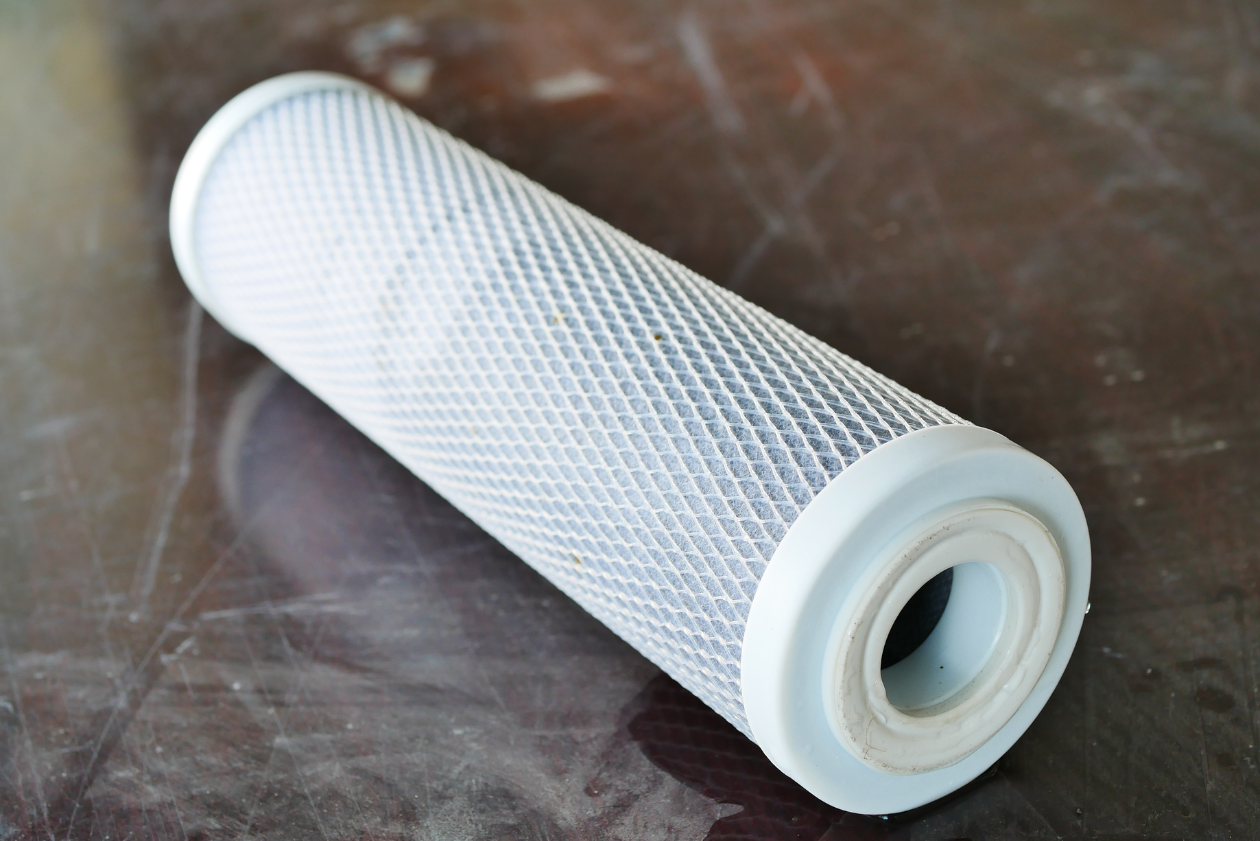
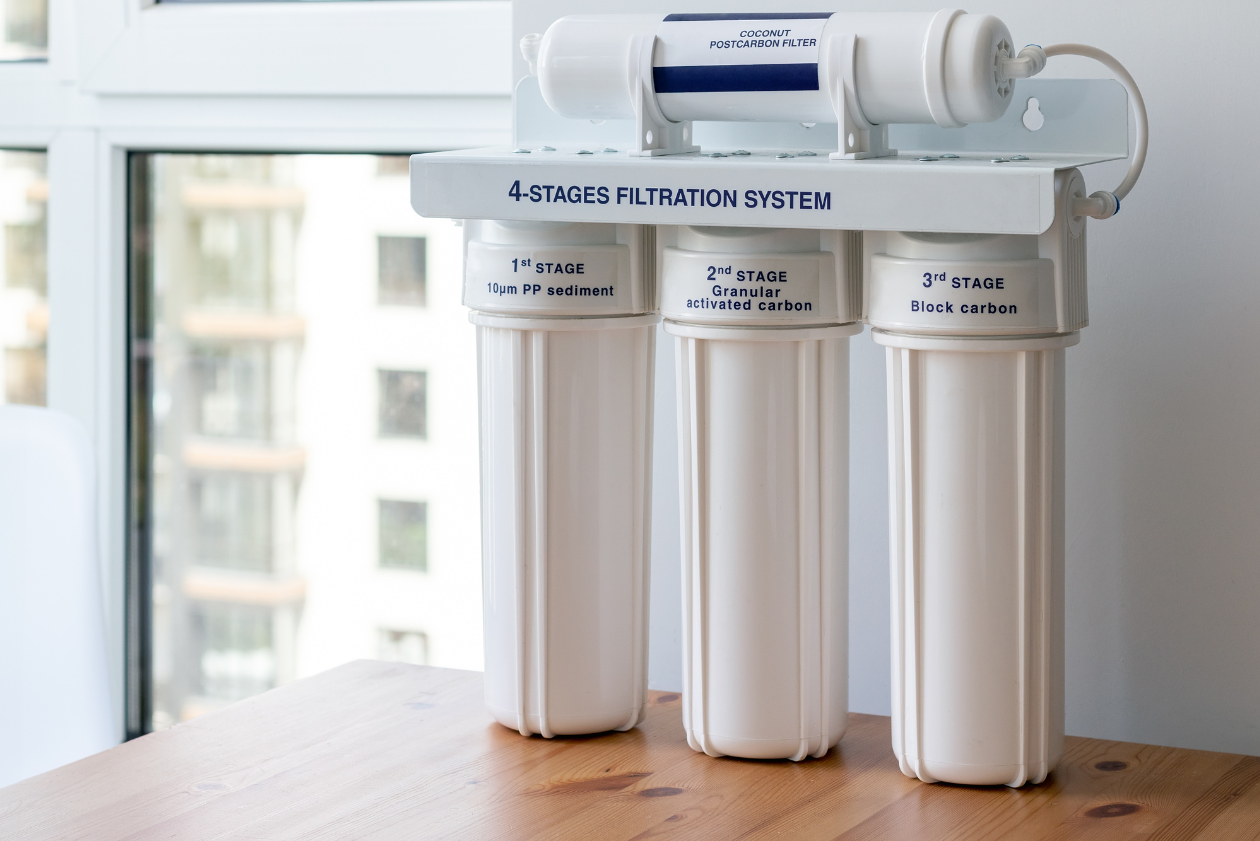
These filters remove chlorine, volatile organic compounds (VOCs), and unpleasant odors, making them ideal for offices, restaurants, and hotels. They improve water taste and are often used in point-of-use systems like water coolers and under-sink filters.
Reverse Osmosis (RO) Systems
RO systems use a semi-permeable membrane to eliminate dissolved solids, heavy metals, and microorganisms. They are highly effective for food processing, pharmaceutical labs, and healthcare facilities that require ultra-pure water.
Ultraviolet (UV) Purification
UV systems disinfect water by killing bacteria and viruses without chemicals, making them perfect for hospitals, breweries, and other facilities that need sterile water.
Water Softeners
These systems remove calcium and magnesium ions, preventing scale buildup in boilers, dishwashers, and industrial equipment. They are essential for manufacturing plants, laundromats, and hospitality businesses.
Sediment Filters
Designed to trap sand, rust, and debris, sediment filters protect plumbing and appliances from damage. They are often used as pre-filters in larger filtration systems.
Choosing the right system depends on water testing, industry requirements, and budget considerations.
Benefits of Installing a Water Filtration System
Investing in a water filtration system offers numerous advantages for businesses. Improved water quality enhances employee health and reduces sick days caused by waterborne illnesses. Clean water also improves the taste of beverages in cafeterias and restaurants, enhancing customer satisfaction.
For manufacturing and industrial businesses, filtered water prevents equipment corrosion and scaling, extending machinery lifespan and reducing repair costs. Additionally, businesses can demonstrate corporate responsibility by reducing plastic waste from bottled water, contributing to sustainability goals. Compliance with health regulations also avoids fines and legal complications.
Maintaining Your Business Water Filtration System
Regular maintenance is crucial to ensure the efficiency and longevity of a water filtration system. Filters need periodic replacement to prevent clogging and maintain optimal performance. Sediment pre-filters should be checked monthly, while carbon and reverse osmosis membranes may require replacement every few months to a year.
Professional water testing helps monitor contaminant levels and system effectiveness. Scheduled inspections by certified technicians can identify potential issues before they escalate. Proper maintenance guarantees clean water and maximizes the return on investment for the filtration system.
Choosing the Right Water Filtration Provider
Selecting a reputable water filtration provider is essential for quality installation and service. Businesses should look for providers with industry certifications, positive customer reviews, and experience in commercial water treatment. Customized solutions tailored to specific water challenges ensure better results than generic systems.
A reliable provider offers ongoing support, including maintenance plans, emergency repairs, and water quality testing. Transparent pricing and warranties add value, ensuring businesses get the best solution without hidden costs. Researching and comparing providers helps in making an informed decision.
Conclusion
Water filtration is a critical investment for businesses that prioritize health, safety, and operational efficiency. Clean water supports employee well-being, enhances customer experiences, and protects equipment from damage. By understanding water quality challenges and choosing the right filtration system, businesses can ensure a safe and productive workplace.
At HomePRO Water Solutions, we provide commercial water filtration services tailored to your business needs. Our certified technicians install, maintain, and optimize water filtration systems for offices, restaurants, healthcare facilities, and industrial operations. Contact Us Today!