
The Difference Between Reverse Osmosis & Water Softeners
Water quality is a growing concern for homeowners across the country. Whether you’re dealing with stubborn scale buildup on your fixtures or worrying about contaminants in your drinking water, understanding your treatment options is crucial. Two of the most popular solutions – reverse osmosis systems and water softeners – serve very different purposes despite both improving water quality.
This comprehensive guide will walk you through everything you need to know about these systems. We’ll explore how each technology works, what problems they solve, and how to determine which solution (or combination) is right for your household. By the end, you’ll be equipped with the knowledge to make an informed decision about your home’s water treatment needs.
Understanding Hard Water: The Root of Many Problems
Before comparing systems, it’s important to understand the issue of hard water. Groundwater naturally absorbs minerals like calcium and magnesium as it moves through rock formations. While not harmful to health, these minerals cause numerous household headaches.
You might have hard water if you notice white scale buildup on faucets and showerheads, spots on dishes after washing, or if your soap doesn’t lather well. Over time, hard water can damage plumbing systems and appliances by accumulating mineral deposits that reduce water flow and efficiency. Water heaters, in particular, suffer from reduced lifespan when operating with hard water.
Water Softeners: Specialists in Mineral Removal
Water softeners are whole-house systems designed specifically to address hard water problems. They use a process called ion exchange to remove calcium and magnesium ions from your water supply. Here’s how it works:
The system contains resin beads loaded with sodium or potassium ions. As hard water flows through, magnesium and calcium ions are significantly swapped for sodium ions, softening the water by removing hardness minerals.
Periodically, the system regenerates by flushing the resin beads with a brine solution to recharge them with sodium ions and wash away the accumulated hardness minerals. This maintenance cycle ensures continuous soft water throughout your home.
The benefits of softened water are immediately noticeable. You’ll use less soap and detergent, enjoy spot-free dishes and glassware, and notice your skin and hair feel softer after bathing. Perhaps most importantly, your appliances and plumbing will be protected from damaging scale buildup.
Reverse Osmosis: Comprehensive Contaminant Removal
While water softeners specialize in mineral removal, reverse osmosis (RO) systems take a completely different approach to water treatment. These systems are designed to remove a wide range of contaminants from your drinking water through an advanced filtration process.
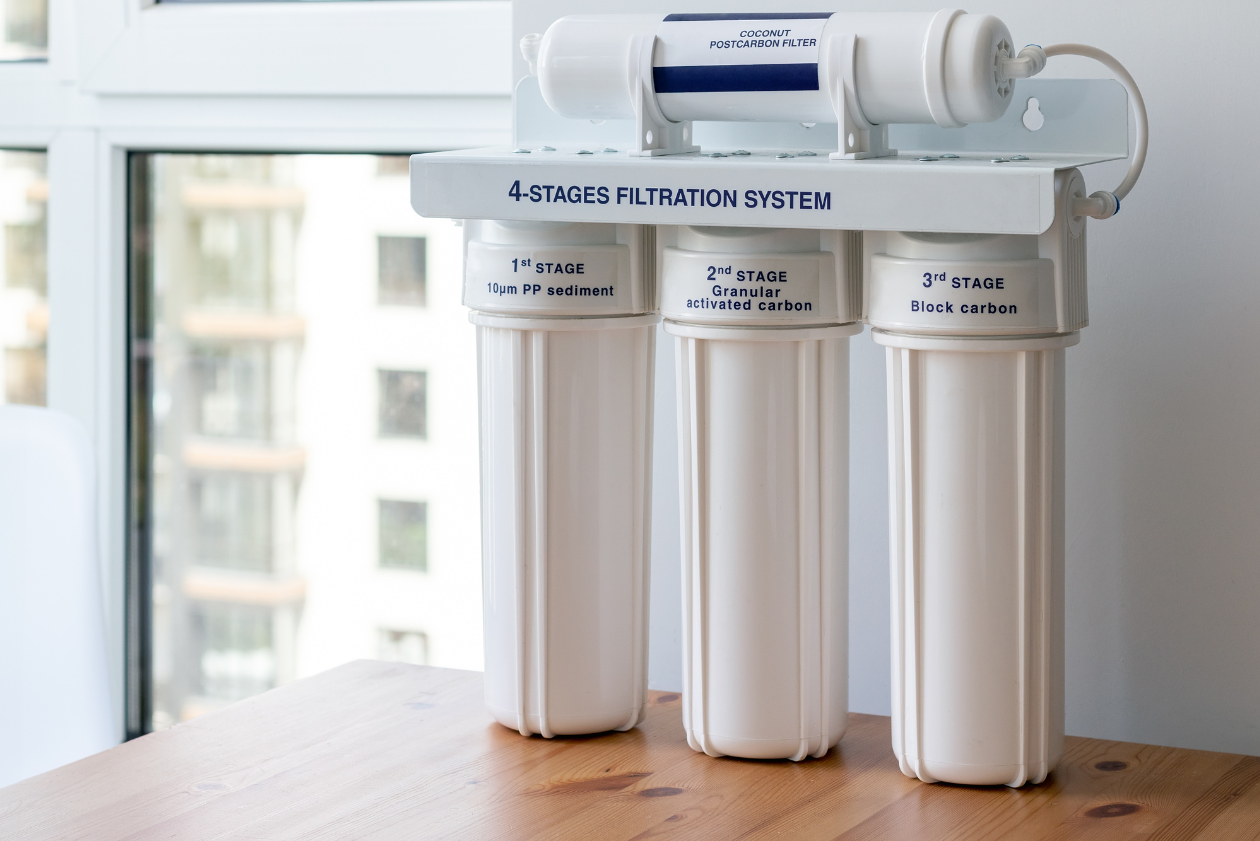
At the heart of an RO system is a semi-permeable membrane with incredibly tiny pores – so small that only water molecules can pass through. The system uses water pressure to force tap water through this membrane, leaving contaminants behind. A typical RO system includes multiple stages of filtration:
First, a sediment filter removes dirt, rust, and other particles. Then, activated carbon filters reduce chlorine, chemicals, and unpleasant tastes and odors. Finally, the RO membrane removes dissolved solids, heavy metals, and other microscopic contaminants. Some systems include additional polishing filters for even purer water.
The result is exceptionally clean, great-tasting water that is perfect for drinking and cooking. RO systems are particularly valuable for homes with concerns about lead, arsenic, fluoride, or other potentially harmful substances in their water supply.
Key Differences Between the Two Systems
Understanding the distinct roles of these systems is crucial for making the right choice for your home. Here are the fundamental differences:
- Water softeners are whole-house systems that specifically address water hardness. They don’t purify water or remove contaminants – they simply exchange hardness minerals for sodium or potassium ions. The softened water flows to every tap in your home, protecting your plumbing and improving cleaning efficiency.
- Reverse osmosis systems, in contrast, are typically point-of-use installations (usually under the kitchen sink) that provide purified water for drinking and cooking. They don’t soften water or protect plumbing from scale, but they do remove a wide array of contaminants that softeners don’t address.
- Another significant difference is in maintenance requirements. Water softeners need regular salt refills and occasional resin bed cleaning. RO systems require periodic filter changes (usually every 6-12 months) and membrane replacement every 2-3 years.
When to Choose a Water Softener
A water softener is the clear choice when your primary concern is hard water. Signs you need a softener include:
- Visible scale buildup on fixtures and appliances
- Difficulty getting soap to lather
- Stiff, scratchy laundry after washing
- Dry skin and hair after showering
- Reduced water pressure from mineral-clogged pipes
- Frequent appliance repairs or shortened lifespans
If these issues sound familiar, a water softener will dramatically improve your water quality and protect your home’s plumbing infrastructure.
When to Choose Reverse Osmosis
An RO system makes sense when you’re concerned about water purity for drinking and cooking. Consider RO if:
- Your water has an unpleasant taste or odor
- You’re concerned about specific contaminants (lead, arsenic, etc.)
- You currently buy bottled water for drinking
- Your water tests show high TDS (total dissolved solids)
- You want the purest possible water for cooking
Cost Comparison
Initial costs for both systems are comparable, with quality units ranging in price. Water softeners typically require professional installation due to the need for plumbing modifications. RO systems are often easier to install, with many homeowners opting for DIY installation.
Operating costs differ significantly. Water softeners consume salt and water during regeneration cycles, while RO systems waste some water during the filtration process (though modern systems are becoming more efficient).
Environmental Impact
Both systems have environmental considerations. Water softeners discharge salt brine into wastewater systems, which can be problematic in some areas. Some municipalities have restrictions on softener use for this reason.
RO systems waste some water during filtration – typically 3-4 gallons for every gallon purified. However, newer models are reducing this ratio significantly. If environmental impact is a primary concern, look for high-efficiency models of both systems and consider alternative technologies like salt-free conditioners.
Making Your Decision
To determine which system (or combination) is right for you:
- First, identify your water quality issues- A simple water test can reveal hardness levels and detect common contaminants. Many local health departments offer testing services, or you can purchase a home test kit.
- Consider your priorities- If appliance protection and cleaning efficiency are top concerns, focus on a softener. If water purity for drinking is paramount, prioritize an RO system.
For comprehensive water treatment, many experts recommend starting with a whole-house softener (if you have hard water) and adding an RO system at the kitchen sink for drinking water purification.
Conclusion
Reverse osmosis systems and water softeners serve distinct but equally valuable roles in water treatment. While softeners specialize in solving hard water problems throughout your home, RO systems excel at providing ultra-pure drinking water at a single tap. The right choice depends entirely on your water quality issues and household needs.
At HomePRO Water Solutions, our certified technicians install both systems with precision and care, ensuring your home receives the perfect water treatment solution. We begin with comprehensive water testing to identify your specific challenges, then recommend a customized approach – whether that’s a whole-house softener, an under-sink RO system, or the ideal combination of both. Contact Us Today!